Finley Keller · 11 October 2026
Student Training Programs in Southern Poland Equip Youth to Assess Insect Population Responses to Warming Trends in Local Streams
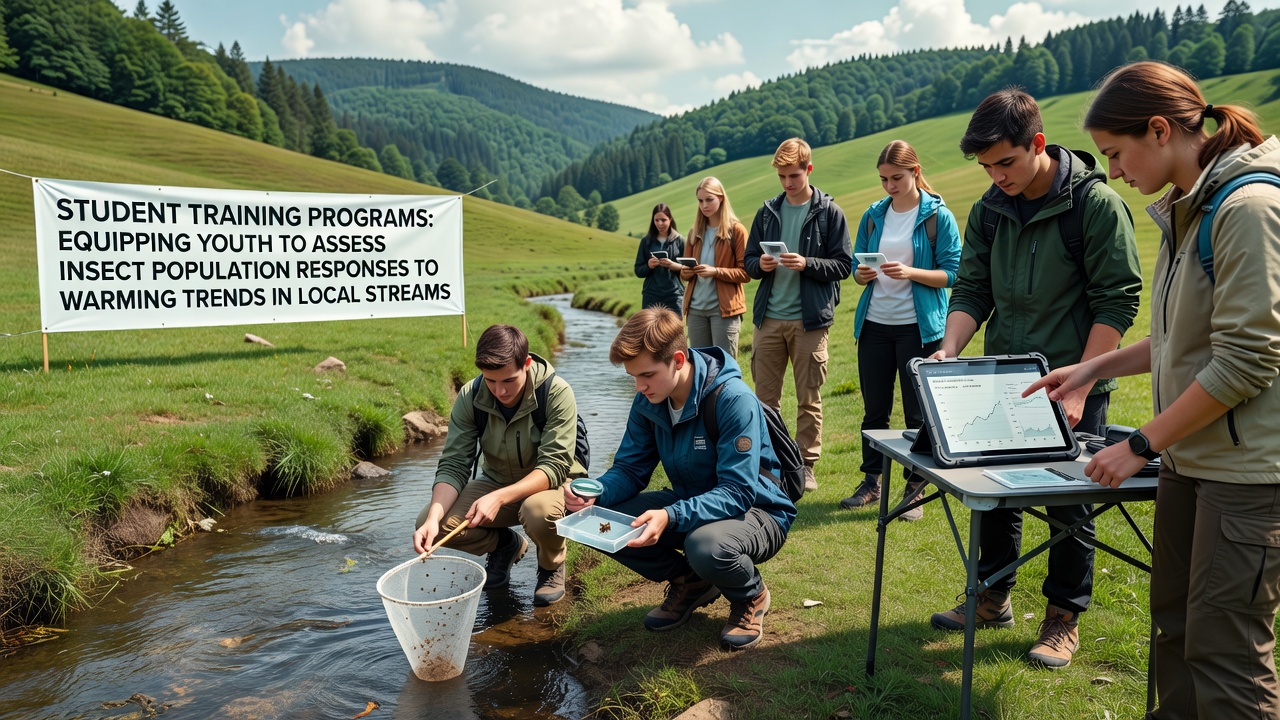
Student training programs across southern Poland have expanded in recent years to focus on monitoring how aquatic insect populations respond to rising water temperatures in regional streams, with initiatives centered in areas like the Silesian and Lesser Poland voivodeships drawing participants from secondary schools and universities. These efforts involve hands-on fieldwork where youth learn standardized sampling techniques for species such as Ephemeroptera, Plecoptera, and Trichoptera, collecting data that researchers use to track shifts in abundance and diversity linked to climate patterns.
Programs typically run from spring through late fall, and in October 2026 several cohorts completed their final field sessions after gathering multi-year datasets from streams feeding into the Vistula and Oder basins. Training modules cover water temperature logging with digital sensors, kick-net sampling protocols, and identification keys for larval stages, allowing participants to contribute directly to datasets maintained by regional environmental agencies.
Program Structure and Participant Involvement
Coordinated through partnerships between local universities and environmental organizations, the initiatives select students based on academic performance in biology and environmental science courses, then pair them with mentors for weekly excursions to fixed monitoring sites. Sessions emphasize repeatable methods so that data collected by different groups remains comparable over time, including measurements of stream velocity, dissolved oxygen levels, and substrate composition alongside insect counts.
One cohort from a technical high school in Katowice logged temperature increases averaging 1.2 degrees Celsius at their primary site between 2022 and 2025, correlating with a 15 percent decline in certain stonefly taxa according to preliminary analysis shared at a regional symposium. Participants process samples in university labs during winter months, sorting specimens under microscopes and entering records into shared databases that feed into larger European monitoring networks.
Data Collection Methods and Observed Patterns
Researchers have documented that warming trends alter emergence timing for many aquatic insects, with some species advancing their adult flight periods by up to three weeks in streams experiencing consistent temperature elevation. Student teams apply protocols aligned with those recommended by the European Environment Agency, which maintains continental-scale records on freshwater biodiversity responses to climate variables.
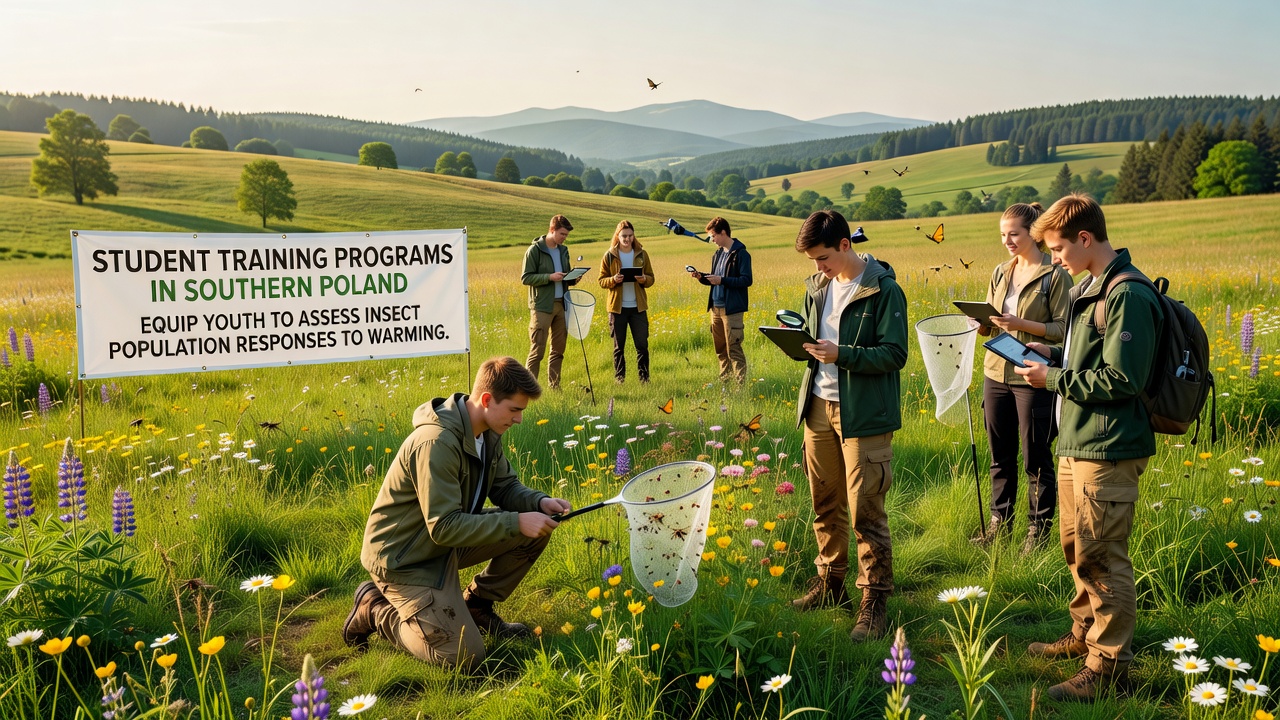
Sampling occurs at 20-meter transects where teams perform three replicate kicks per visit, preserving specimens in ethanol for later verification. Data shows that mayfly communities in warmer reaches exhibit higher proportions of tolerant genera while sensitive taxa decrease, patterns consistent with findings from long-term studies conducted by institutions such as the Polish Institute of Meteorology and Water Management. Students also record associated variables like riparian vegetation cover and land-use changes upstream, providing context for interpreting insect distribution shifts.
Integration with Broader Research Efforts
Results from these youth-led programs contribute to national reports on freshwater ecosystem health, supplying fine-scale data that complements satellite-derived temperature maps and automated sensor networks. In 2026, aggregated findings indicated accelerated community turnover in streams with average summer temperatures exceeding 18 degrees Celsius, prompting updates to predictive models used by regional water authorities.
Training includes statistical workshops where participants learn to apply basic diversity indices and regression analyses to their own datasets, building skills that transfer to university-level research. Several graduates from earlier cohorts have presented posters at international conferences, detailing localized responses that align with broader European trends documented in peer-reviewed journals.
Conclusion
Student training programs in southern Poland continue to generate primary data on aquatic insect responses while developing technical competencies among participants, with ongoing sessions scheduled to extend monitoring through subsequent field seasons. The structured approach ensures that collected information supports evidence-based assessments of warming impacts on stream ecosystems.