Finley Keller · 27 September 2026
Silesian Educators Lead Student-Led Sampling to Track Heavy Metals in Regional Streams
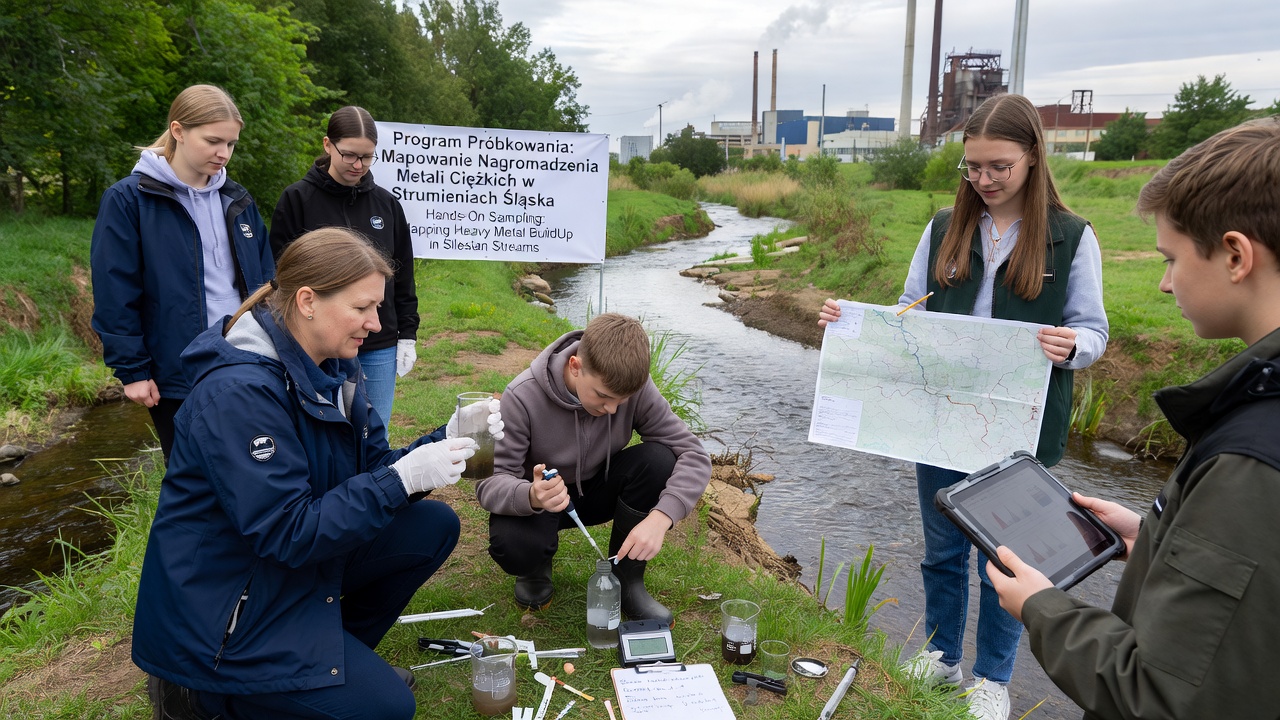
Schools across the Silesian region have developed structured sampling programs that engage students in collecting water and sediment data from smaller streams affected by nearby factories and mining operations, and these initiatives have expanded steadily since their start in the early 2020s. Teachers coordinate with local environmental agencies to train participants on standardized collection methods, while students record parameters such as pH levels, conductivity, and visible sediment characteristics at designated sites along tributaries that feed into larger river systems.
Program Structure and Daily Operations
Each participating school assigns teams of students to specific stream segments, and they conduct monthly visits that combine field measurements with laboratory analysis of collected samples for metals including zinc, lead, cadmium, and copper. Equipment includes portable kits supplied through partnerships with regional universities, and data gets logged into shared digital platforms that allow comparison across multiple locations over time. In September 2026 several new sites near Katowice and Gliwice joined the network, bringing the total number of monitored streams to 28.
Training sessions cover proper handling of sampling bottles, GPS tagging of collection points, and safety protocols for working near industrial zones, while follow-up classroom work focuses on interpreting results against established environmental thresholds set by Polish regulations. Students learn to identify patterns such as higher metal concentrations downstream from discharge points, and they present findings at annual regional meetings attended by representatives from the Polish Ministry of Climate and Environment.
Data Collection Methods and Metal Analysis
Teams gather both surface water and bed sediment at each location, then transport samples to school laboratories equipped with basic spectrometers for initial screening. When concentrations exceed alert levels, the programs forward duplicates to certified external labs for confirmation, and results feed into regional databases maintained by the Institute of Environmental Protection. This approach allows tracking of seasonal variations, particularly spikes after heavy rainfall events that mobilize accumulated metals from stream banks.
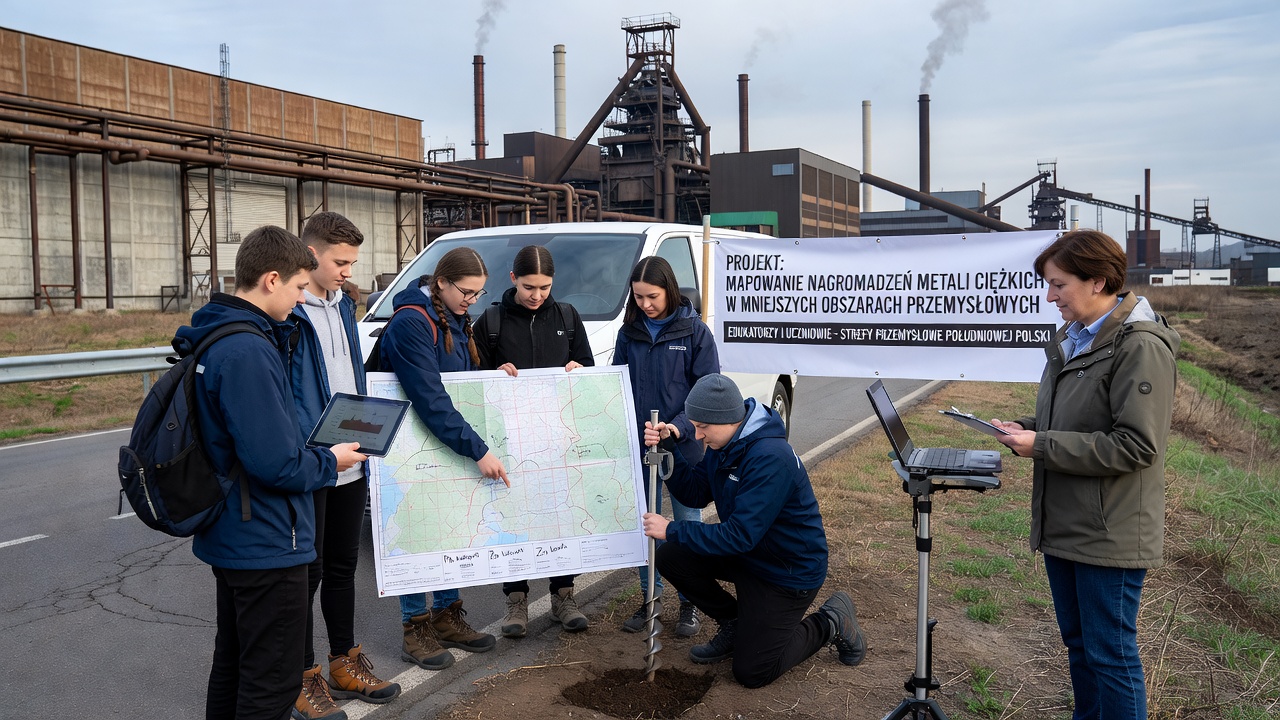
One ongoing project near the town of Zabrze has documented consistent cadmium readings above 2 milligrams per kilogram in sediment at three sites, prompting discussions with local industry about runoff controls. Another group operating along the Kłodnica tributary has mapped zinc gradients that decrease with distance from a former smelter, and these spatial datasets now support academic studies examining bioavailability to aquatic organisms.
Integration with Broader Environmental Monitoring
The student programs complement official monitoring conducted by the Voivodeship Inspectorate for Environmental Protection, and they supply higher-resolution data in areas where state sampling occurs less frequently. Reports generated from the combined datasets appear in annual summaries published by the European Environment Agency, which uses the information to assess progress toward water quality targets under the Water Framework Directive. Cross-referencing with studies from the United States Geological Survey on similar industrial legacies in the American Midwest helps researchers identify common remediation challenges across different regulatory contexts.
Schools also collaborate with citizen science platforms to upload anonymized results, increasing public access to localized information about stream conditions. Workshops held each spring introduce new participants to updated protocols, and older students mentor younger ones on equipment calibration and record-keeping standards.
Outcomes and Future Directions
Since the programs began, participating students have contributed more than 4,500 individual sample records, and several of these datasets now underpin master’s theses at the University of Silesia. Local authorities have referenced the findings when prioritizing cleanup projects along streams with elevated metal loads, and industry representatives attend some student presentations to discuss mitigation options. Continued expansion depends on sustained funding from regional grants and university support for laboratory access.
Conclusion
The hands-on sampling efforts in Silesia demonstrate how educational institutions can generate usable environmental data while building technical skills among participants. Ongoing coordination between schools, agencies, and research bodies ensures the information remains integrated with wider monitoring networks, and the resulting records provide a detailed view of heavy metal distribution in the region’s smaller waterways.