Sofia Vogel · 2 September 2026
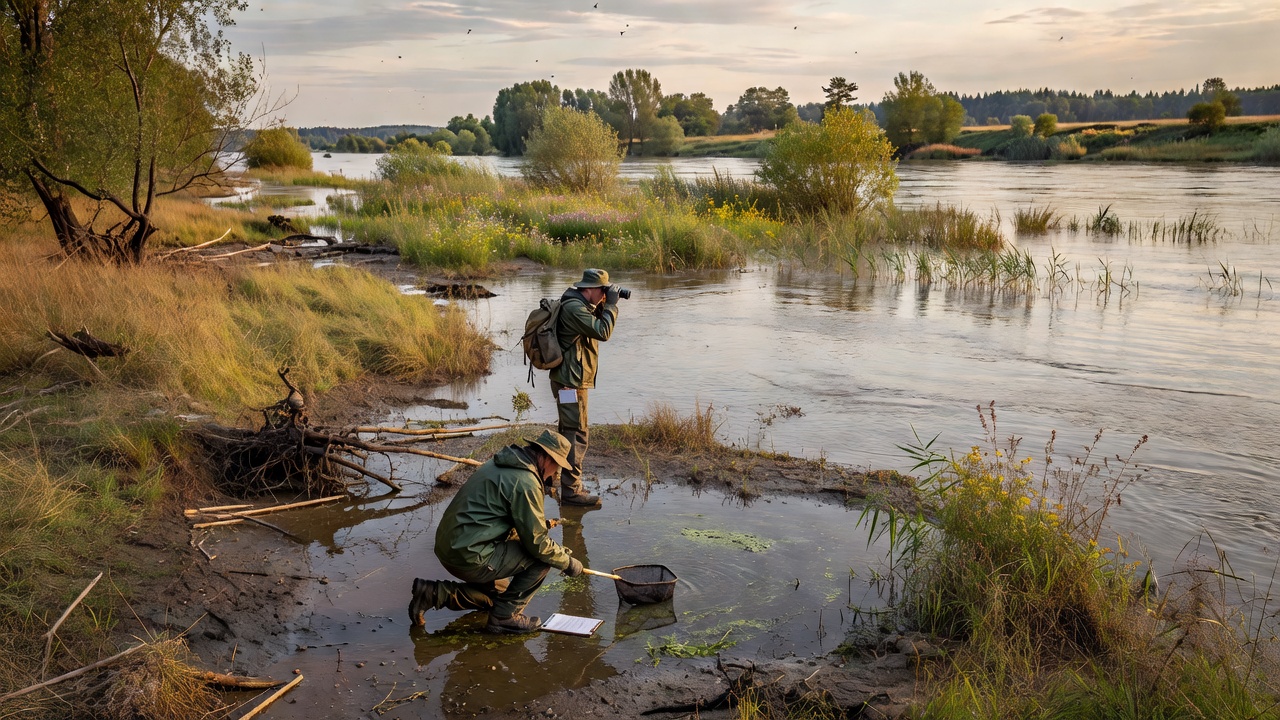
Riverlab researchers are actively monitoring the Odra River to document biodiversity shifts following the intense summer floods that affected the region in recent months. The flooding events led to widespread inundation of riverbanks and adjacent wetlands, potentially disrupting established ecological balances. Data collection focuses on key indicators of ecosystem health, including species abundance, diversity indices, and habitat quality metrics. This initiative is crucial for understanding how extreme weather influences freshwater ecosystems in Central Europe.
Advanced Monitoring Protocols
The team utilizes a combination of traditional field sampling and modern technological tools. Electro fishing surveys are conducted at established transects to assess fish community structure. Benthic macroinvertebrate sampling involves kick nets and Surber samplers to capture a representative range of organisms. Additionally, eDNA analysis from water samples allows for non-invasive detection of rare or elusive species. Continuous water quality monitoring stations have been deployed to track changes in pH, temperature, and turbidity post-flood. Vegetation surveys along the riparian zones document changes in plant cover and species composition due to sediment deposition and erosion. These protocols are repeated monthly to capture temporal dynamics. Partnerships with universities provide access to advanced laboratory facilities for processing samples efficiently.
Emerging Patterns in Species Distribution
Preliminary analyses reveal notable changes in the distribution of several aquatic species. Populations of native salmonids have shown signs of stress, with reduced numbers in previously thriving areas. In contrast, some cyprinid species have expanded their range into newly formed habitats created by flood scouring. Invasive species like the pumpkinseed sunfish are being monitored closely for potential proliferation in altered environments. The floods may have facilitated the spread of certain pollutants, affecting sensitive organisms. Overall biodiversity metrics indicate a temporary decrease in evenness, suggesting dominance by a few tolerant species. Long-term implications could involve altered food webs and reduced resilience to future disturbances. Riverlab plans to publish detailed reports and recommend mitigation measures based on these observations.