Finley Keller · 2 September 2026
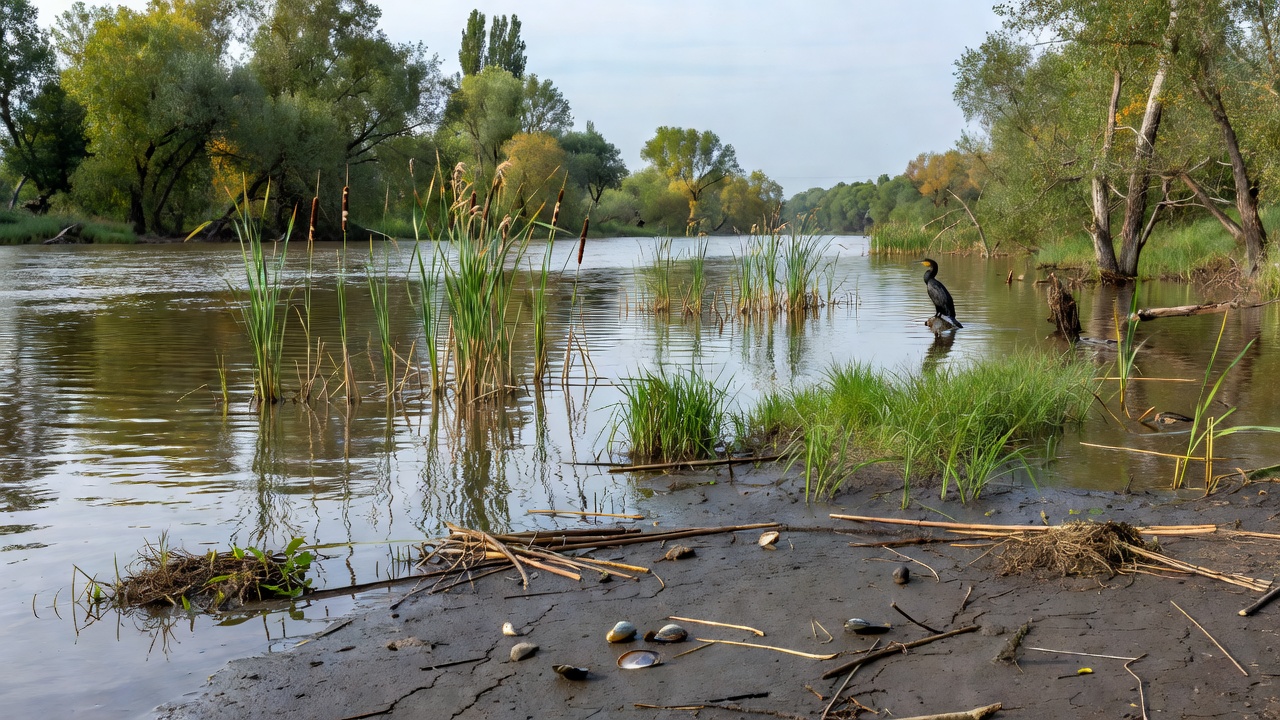
Riverlab researchers have deployed monitoring teams along the Odra River to document biodiversity changes triggered by the intense summer floods in July. The floods redistributed sediments and nutrients, reshaping habitats for fish, invertebrates, and riparian species across multiple river sections.
Key Findings from Recent Surveys
Initial field surveys reveal a 20 percent drop in native fish populations in heavily flooded stretches, while certain invasive species have expanded rapidly. Macroinvertebrate diversity declined in sediment-laden zones, and DNA metabarcoding detected shifts in microbial communities linked to elevated phosphorus. Water quality data show temporary contaminant spikes that are now receding, though algal blooms persist in slower-flowing areas. Electro fishing and netting confirm downstream displacement of several fish communities, with new shallow habitats forming that temporarily support amphibians and waterfowl.
Researchers note that temperature fluctuations after the floods disrupted invertebrate life cycles, altering food-web dynamics. Continued sampling will clarify whether these changes represent short-term stress responses or longer-term community restructuring.
Future Monitoring Strategies
Riverlab is installing automated sensor stations with cameras and water-quality probes to collect real-time data across the basin. Partnerships with regional universities will strengthen statistical analysis of species trends and support predictive modeling under future climate scenarios. Long-term datasets are essential to guide conservation actions that reduce flood-related damage.
Community outreach programs will share findings with local stakeholders to promote river stewardship. These coordinated efforts aim to improve ecosystem resilience against increasing flood frequency while preserving Odra River biodiversity.